The Most Desert Part of This Continent: Fort Niagara in 1776
1776 is best remembered as the year the thirteen colonies declared their independence from Great Britain. This dramatic event occurred fifteen months after combat between Massachusetts militia and British regulars broke out at Lexington and Concord in April 1775. American forces besieged Boston and forced the British to evacuate the town in March 1776. Until the British returned to capture New York City in the late summer and fall of 1776, Fort Niagara in western New York temporarily became one of the few British-occupied posts in what is now the United States.
Situated far from the theater of combat in 1776, western New York still played an important role in the American Revolution. Located at the mouth of the Niagara River, Fort Niagara was held by the British throughout the Revolution. Originally built by the French in 1726, the Fort was captured by British and New York Provincial forces in 1759, during the French and Indian War. The Fort served as British headquarters on the Great Lakes and would play an important role in the frontier war that raged from New York to Kentucky between 1777 and 1783.
Fort Niagara guarded the strategic Niagara Portage, a road that bypassed Niagara Falls and linked the Lower Niagara River with the Upper Landing above the Falls. Prior to the opening of the Erie Canal in 1825, the Niagara Portage was a vital artery for travel and trade between Lake Ontario and Lake Erie. For the British military, the portage was critical in moving troops and supplies to upper posts like Detroit and Michilimackinac.
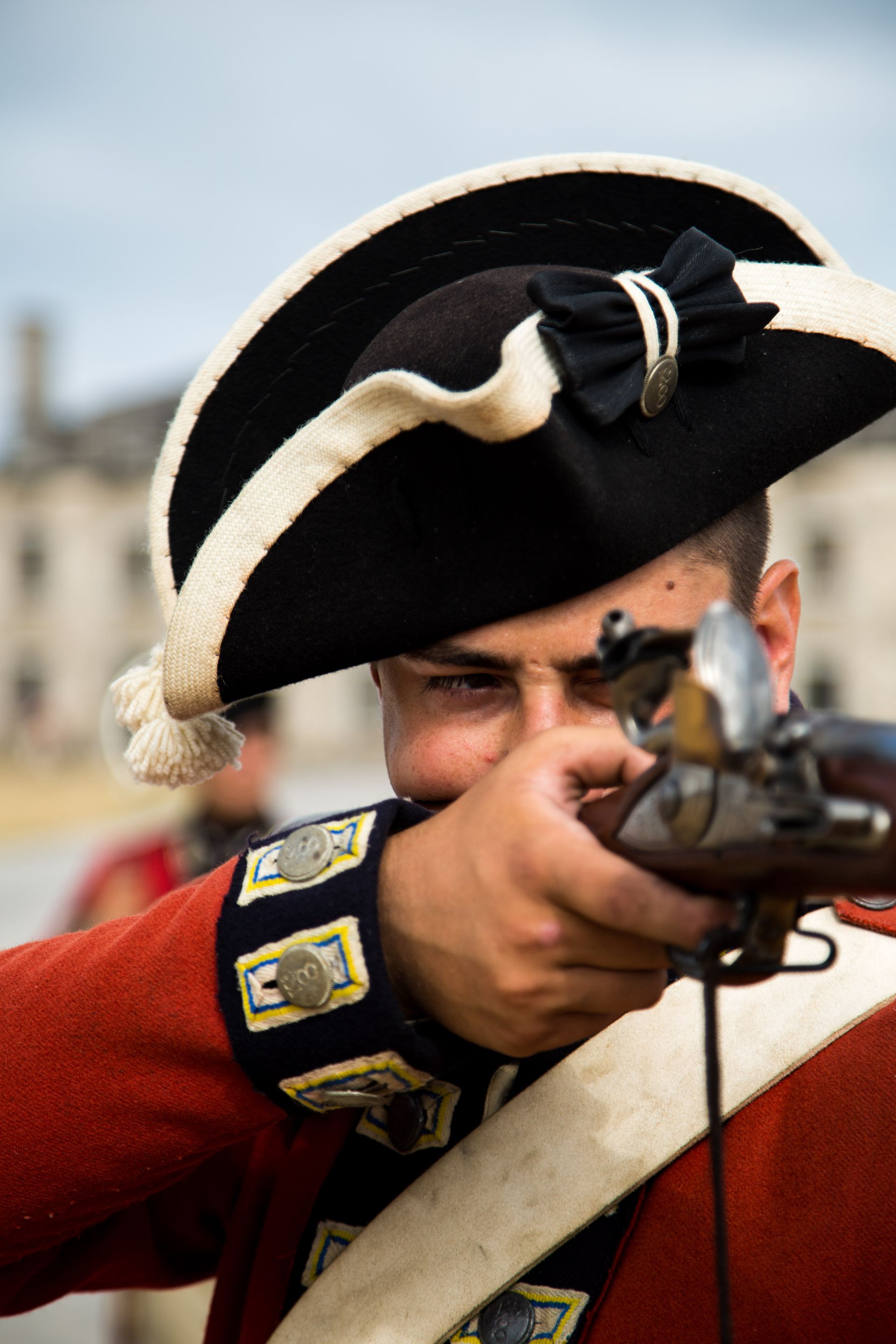
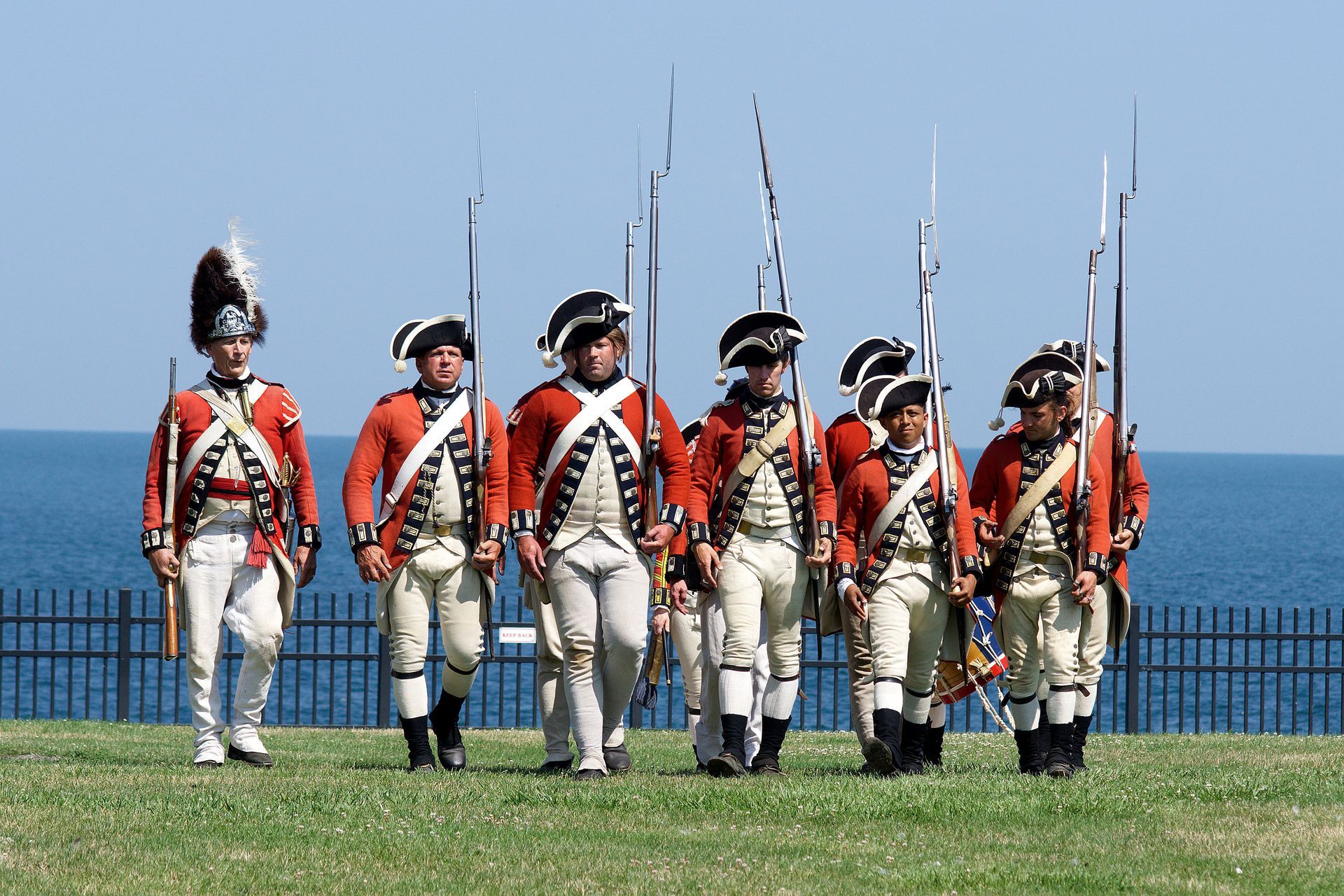
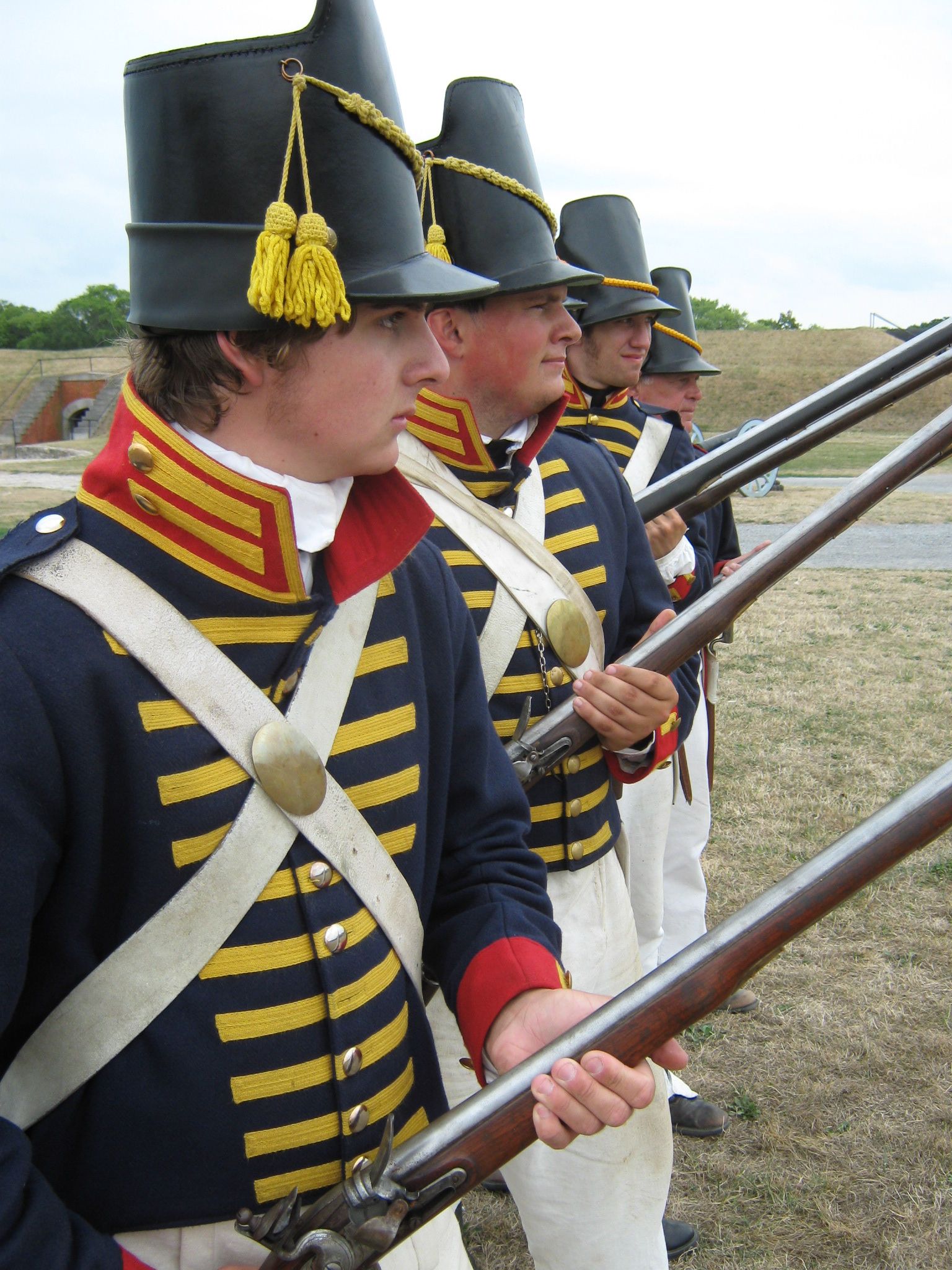
As British headquarters on the Great Lakes, the Fort boasted the largest concentration of British soldiers in the region. At the beginning of the Revolution, the garrison consisted of four companies of the 8th Regiment of Foot. Including officers, non-commissioned officers, musicians and private soldiers, troop strength at Fort Niagara stood at about 188 men. Other companies of the 8th Regiment garrisoned Oswegatchie (Ogdensburg, NY), Detroit and Michilimackinac. Once the war broke out, some of Niagara’s soldiers were dispatched to garrison Fort Schlosser, a small post above Niagara Falls that guarded the southern end of the Portage.
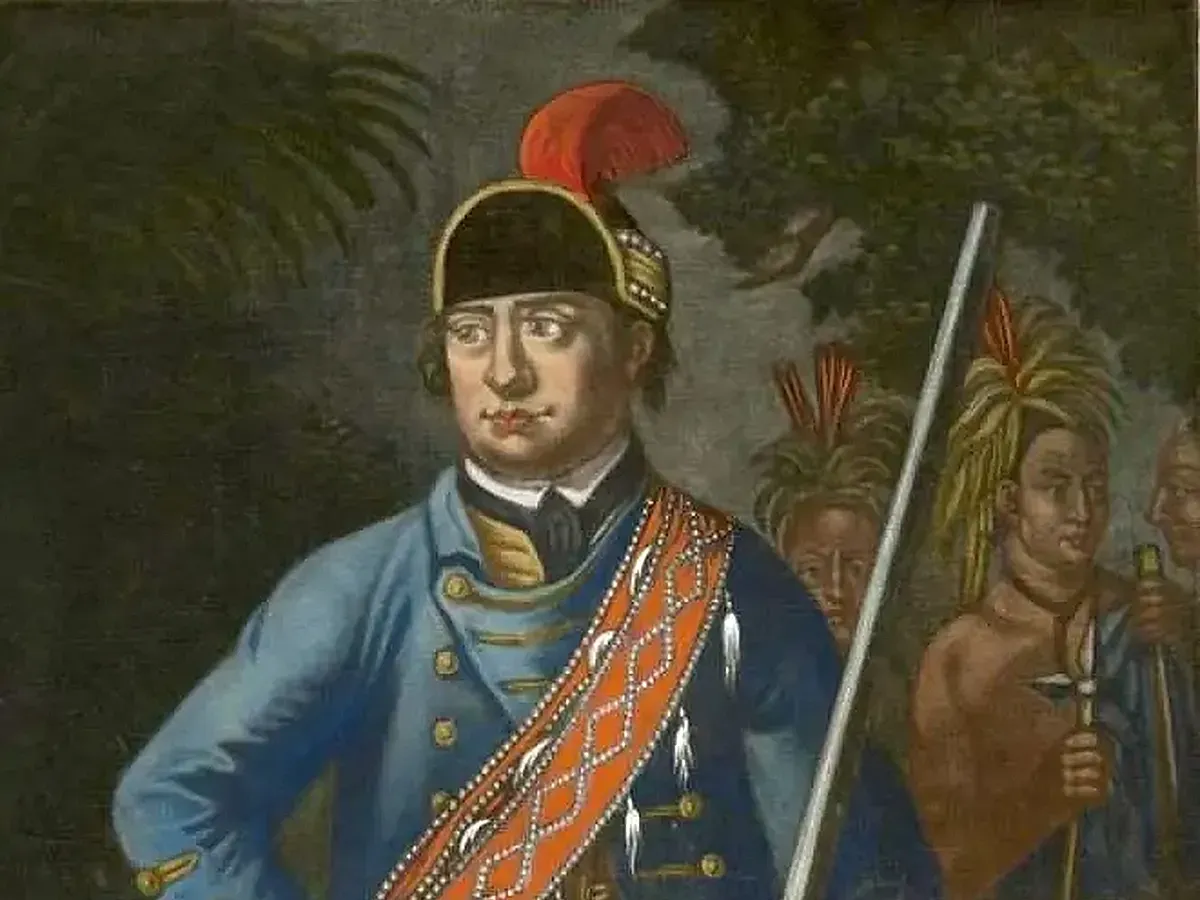
In 1776, the Fort was commanded by 51-year-old Lt. Colonel John Caldwell, a native of County Fermanagh, Ireland. Caldwell was a career soldier who took command of the 8th Regiment of Foot in 1772. The 8th was one of the British Army’s most senior regiments, having been formed in 1685. It was designated the “King’s” Regiment by distinguishing itself in combat early in the 18th century. The Regiment was sent to North America in 1768 garrisoning Quebec, Montreal, and other Canadian outposts. In 1774 the 8th was sent to the Great Lakes for a two-year tour of duty that would last until 1785. Shortly after arriving at Fort Niagara, Caldwell would write his sister-in-law, Elizabeth, that he was “cast away as I must justly term it upon the most desert part of the Continent.”
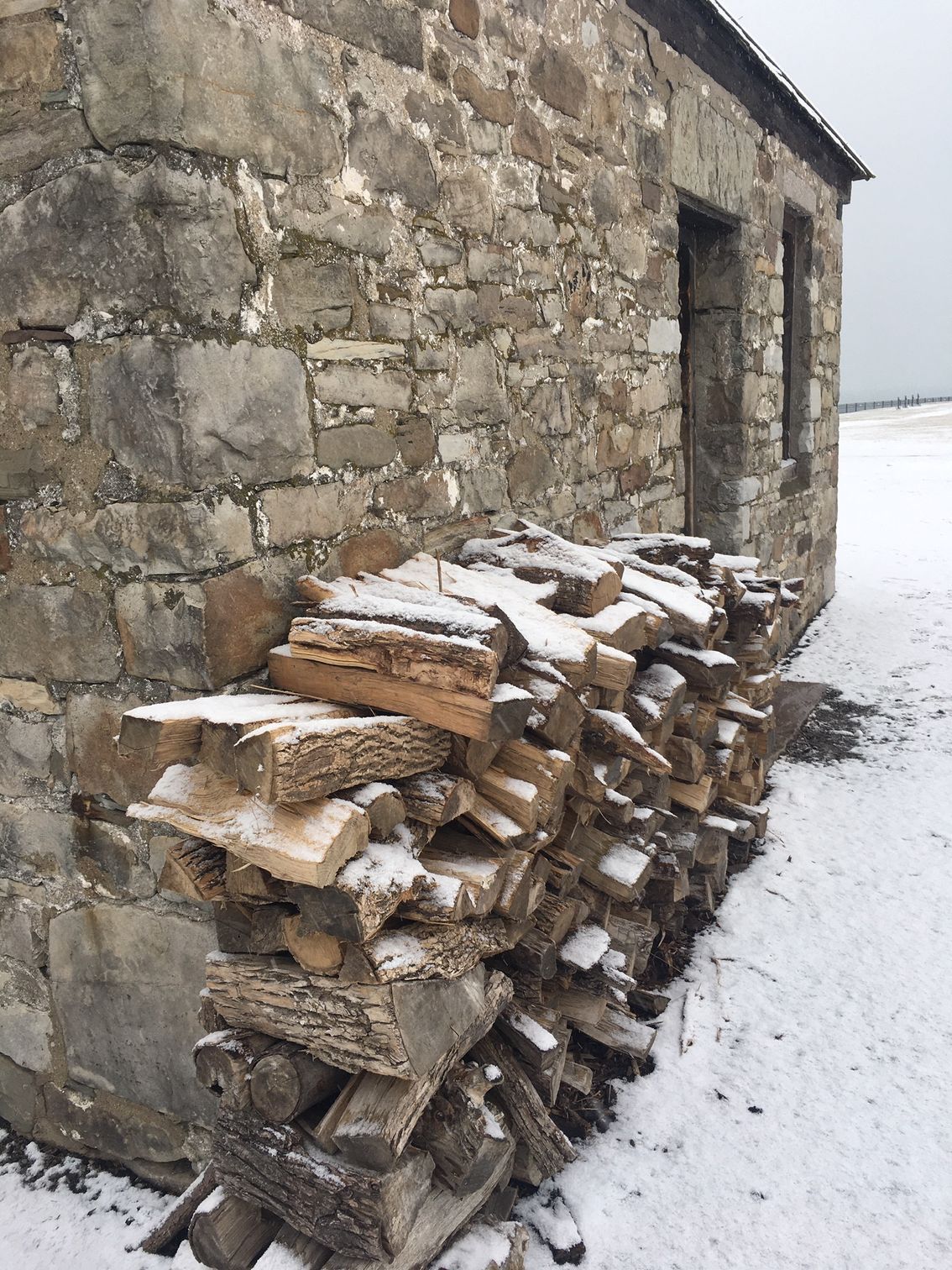
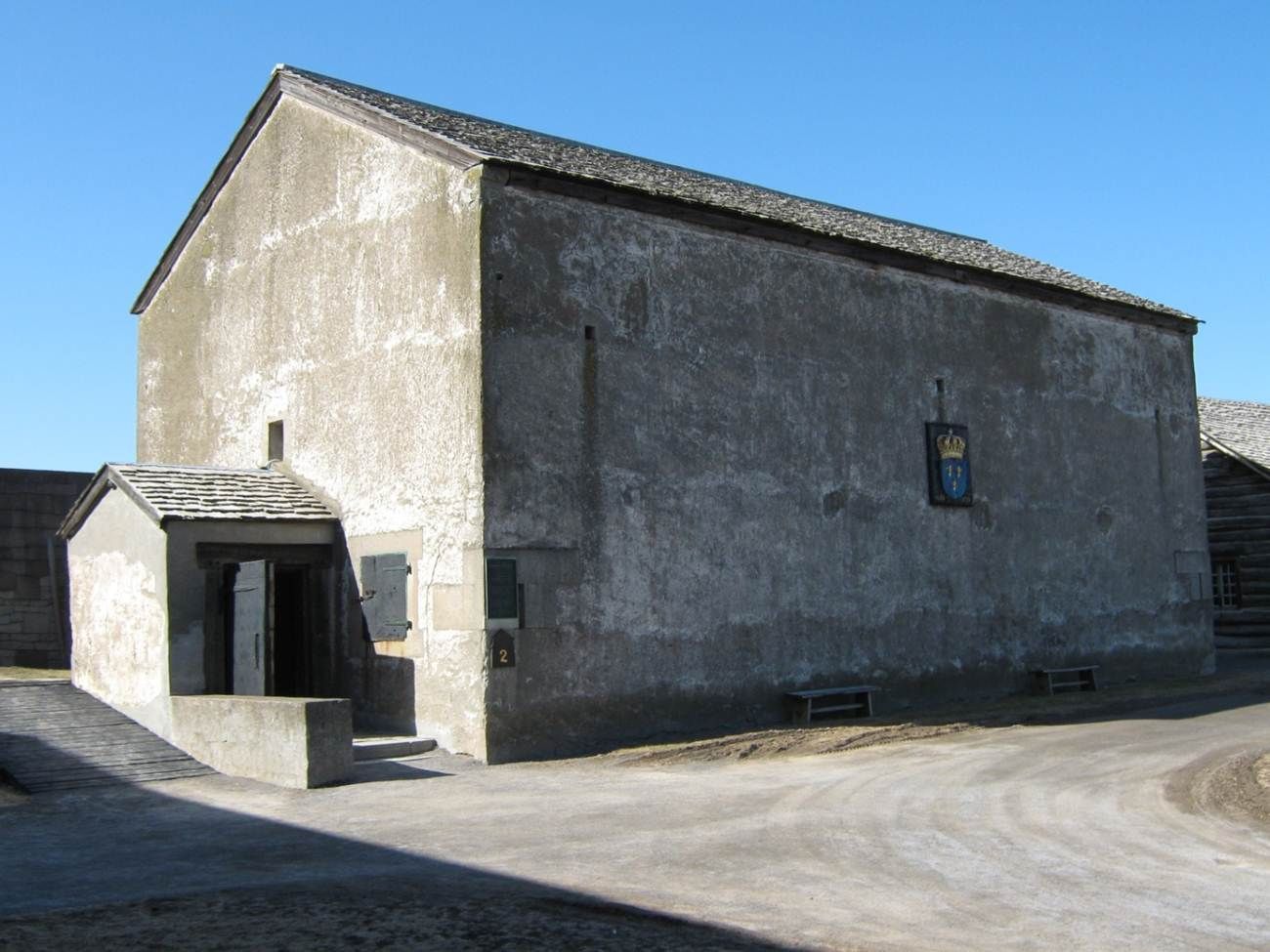
The dilapidated fort that Caldwell commanded contained some twenty buildings, including six that survive today. In addition to the “large Stone House,” known today as the French Castle, there were two fairly new stone towers, called Redoubts. Other structures included a powder magazine, bake house, and provisions storehouse. Several buildings that no longer exist, included a chapel, blacksmith shop, soldiers’ barracks, guard houses and stables.
Perhaps the Colonel’s top priority was maintaining good relations with Indigenous peoples who came to the post to negotiate and trade. This became even more important with the outbreak of the Revolution. Orders from the British Commander-in-Chief, General Thomas Gage, instructed Caldwell to cultivate the friendship of the Haudenosaunee Confederacy and other nations to keep them in the British interest.
Caldwell’s diplomatic responsibilities were made easier with the arrival in November 1775 of John Butler, who would serve as Indian Agent and advisor on Indian affairs. The 48-year-old Butler was an ardent Loyalist, a prominent Mohawk Valley resident and an officer in the British Indian Department, a quasi-military organization responsible for Native diplomacy and alliances.
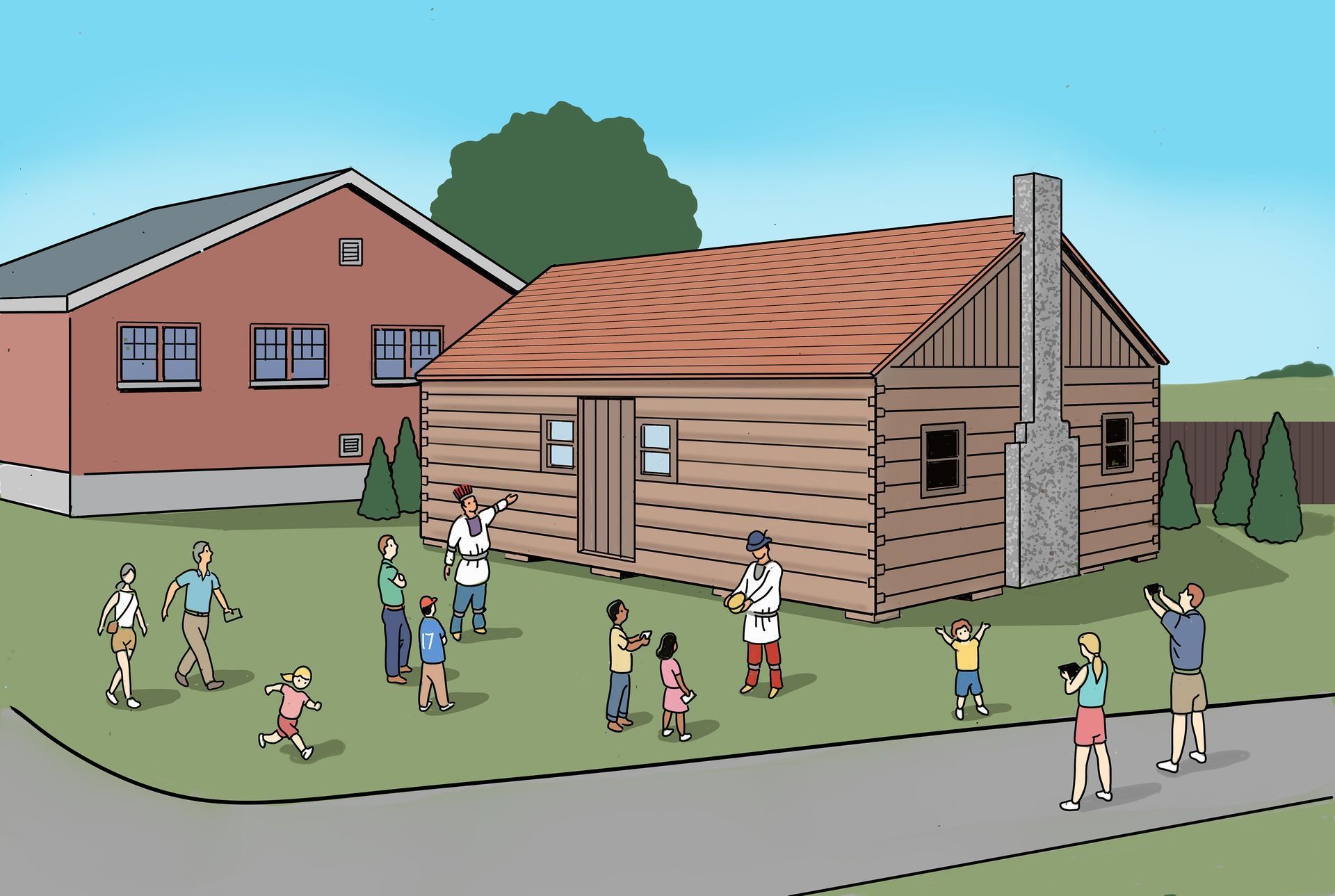
Western New York was Seneca territory, but in 1776, there were no major villages close to the Fort. To the east there were multiple villages around the Finger Lakes region and to the south, there were Native settlements on the upper Allegheny River. Perhaps the closest major Native settlement in 1776 was Chenussio, otherwise known as Little Beard’s Town. This village of about 130 houses was located where Cuylerville, New York stands today. The village was described as made up of “finely built log cabins with ample furnishings some even had glass windowpanes.”
Even though Native villages stood at least eighty miles from the Fort, the post was often visited by Indigenous peoples from throughout North America. Native people came to trade, to negotiate, to cement alliances and to obtain arms and supplies as allies of the Fort’s occupants.
One such council that would greatly influence the course of the American Revolution took place in late August/early September of 1776. Delegates from the Seneca, Cayuga, Onondaga and Mississauga nations traveled to the Fort to negotiate with Caldwell and Butler, who continued their efforts to enlist Indigenous warriors in their cause. At the end of the conference, part of the Haudenosaunee Confederacy declared their allegiance to the British, a major diplomatic success for the Crown.
The following year, hundreds of Haudenosaunee warriors took to the field to support British efforts to subdue the rebellion. Devastating raids on the New York and Pennsylvania frontiers continued throughout the rest of the war. In response, General Washington sent an army into the country of the Haudenosaunee in 1779, hoping to drive them from the war. Under the command of Generals John Sullivan and James Clinton, the army cut a swath through Haudenosaunee territory, burning villages and crops and driving refugees to the Niagara Frontier.
Now, thousands of refugees crowded around the Fort, setting up camps that stretched for miles along the Niagara River. Hundreds died of starvation and exposure during one of the 18th century’s harshest winters.
Colonel Caldwell would not live to see the turmoil that engulfed the region from 1778-1780. During 1776, his health deteriorated and he passed away on October 31, 1776.
Fort Niagara would remain in British hands until 1796 when it was conveyed to the United States under the terms of the Jay Treaty. While not the scene of any major military engagement during the American Revolution, Fort Niagara and Indigenous villages that dotted western and central New York would have a major impact on the war fought over hundreds of miles of the American frontier.