The Siege of Fort Niagara
The Events of July 1759
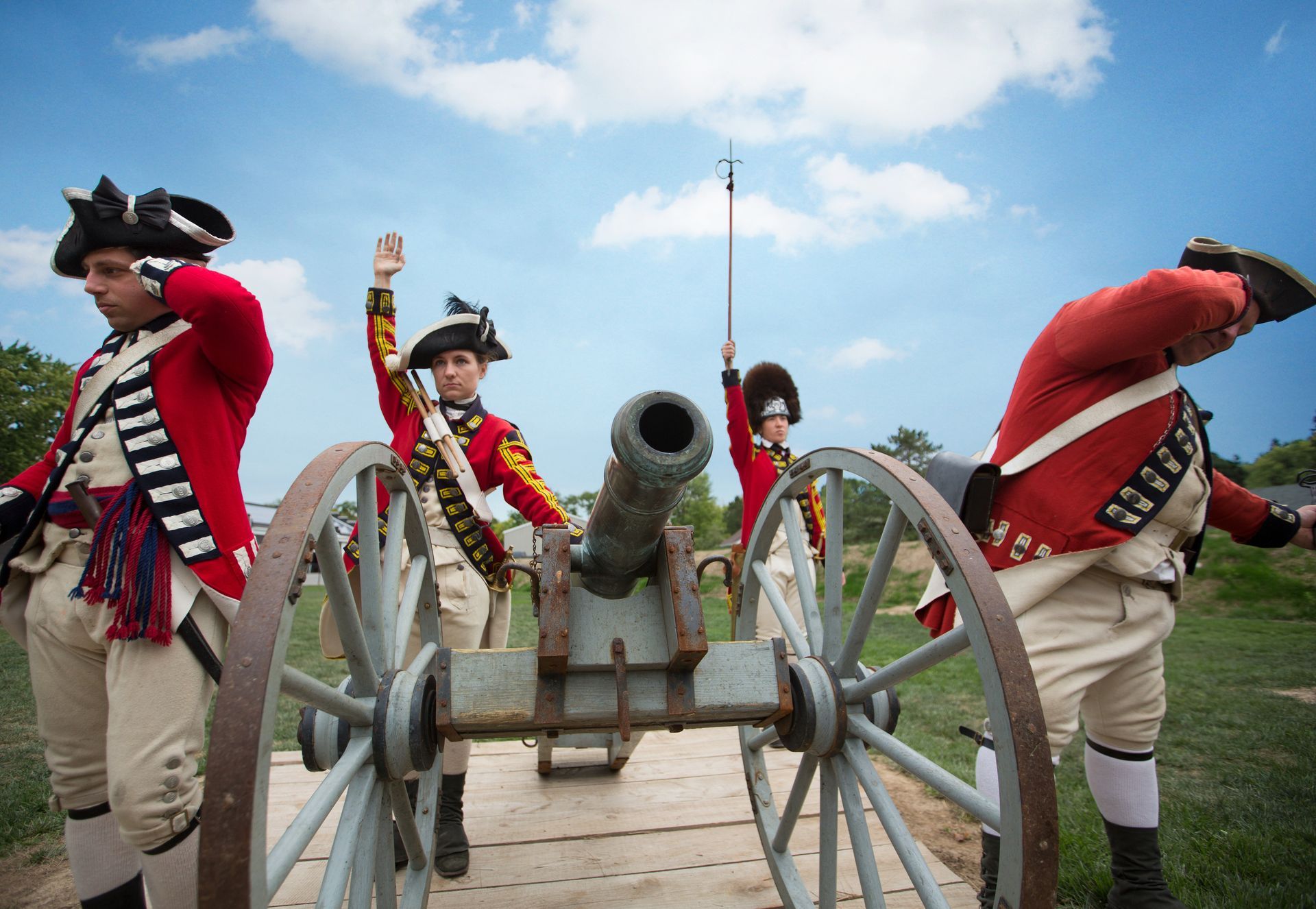
One of the seminal events in Great Lakes history is the siege of Fort Niagara in July 1759. Over the course of 19 days, British forces laid siege to French-held Fort Niagara. The fort controlled a strategic waterway that linked French settlements along the St. Lawrence River with Detroit, the upper Great Lakes, the Ohio Valley and Louisiana.
The following is a time line of the siege:
1758-59 The British plan to attack Fort Niagara as part of a three-pronged assault on New France. Brigadier General John Prideaux is given command of about 2,500 British and New York provincial soldiers. Sir William Johnson recruits some 945 Native allies to accompany the expedition.
May 23, 1759 - Prideaux’s expedition leaves Schenectady.
June 27- British forces reach Oswego on Lake Ontario.
July 1- British forces embark on Lake Ontario on board a fleet of bateaus.
July 6- British forces land at Four Mile Creek, known to the French as Le Petit Marais. A French hunting party is attacked east of the fort. The fort’s commander, Captain Pierre Pouchot, dispatches milice (militia) and 50 men from the Roussillon Regiment to investigate. Native warriors burn French storehouses at the Lower Landing (Lewiston). Fort Niagara’s garrison has less than 500 soldiers against a British force of over 3,000.
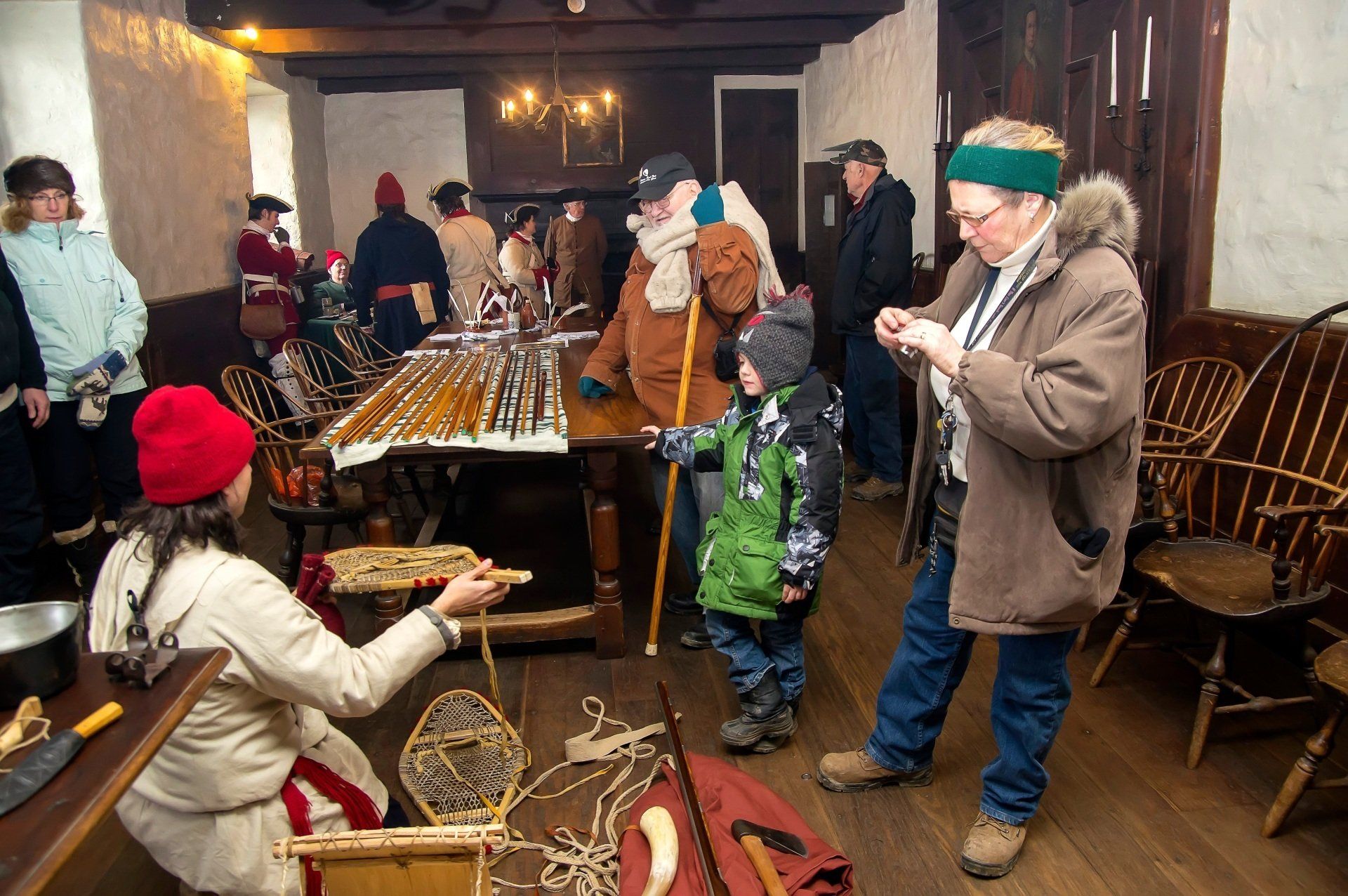
July 6-9 – British forces move inland, set up camp and begin building over 6,000 fascines and 1,500 gabions. (A fascine is a bundle of sticks and a gabion is a circular basket made from saplings and filled with earth.) These are the building blocks of a trench system that will allow attackers to approach the fort. Captain Pouchot sends messengers to Fort du Portage (a post at the Upper Landing, above Niagara Falls) and Fort Machault in the Ohio Country.
July 8 – Daniel Chabert de Joncaire destroys Fort du Portage and retreats to Fort Niagara.
July 9 – In a convention of European-style siege warfare, Captain Walter Rutherford delivers a surrender demand to Captain Pouchot. The demand is refused but the two have breakfast together which includes “a bottle of claret and a glass of liquer.” Pouchot posts men around the fort in three shifts to guard, repair and rest.
July 10 – Joncaire reaches Fort Niagara with his garrison, which now numbers about 600. The British began digging a trench toward the fort.
July 11 – The French launch a sortie about noon. A small party is dispatched to remove wooden pickets. They advance nearly 500 yards and are soon followed by more French soldiers. The French return to the safety of the fort but later in the day, the British begin bombarding the fort with mortar fire. Kaendae, a French-allied Native begins negotiations that will lead to British-allied Natives withdrawing from the siege the next day.
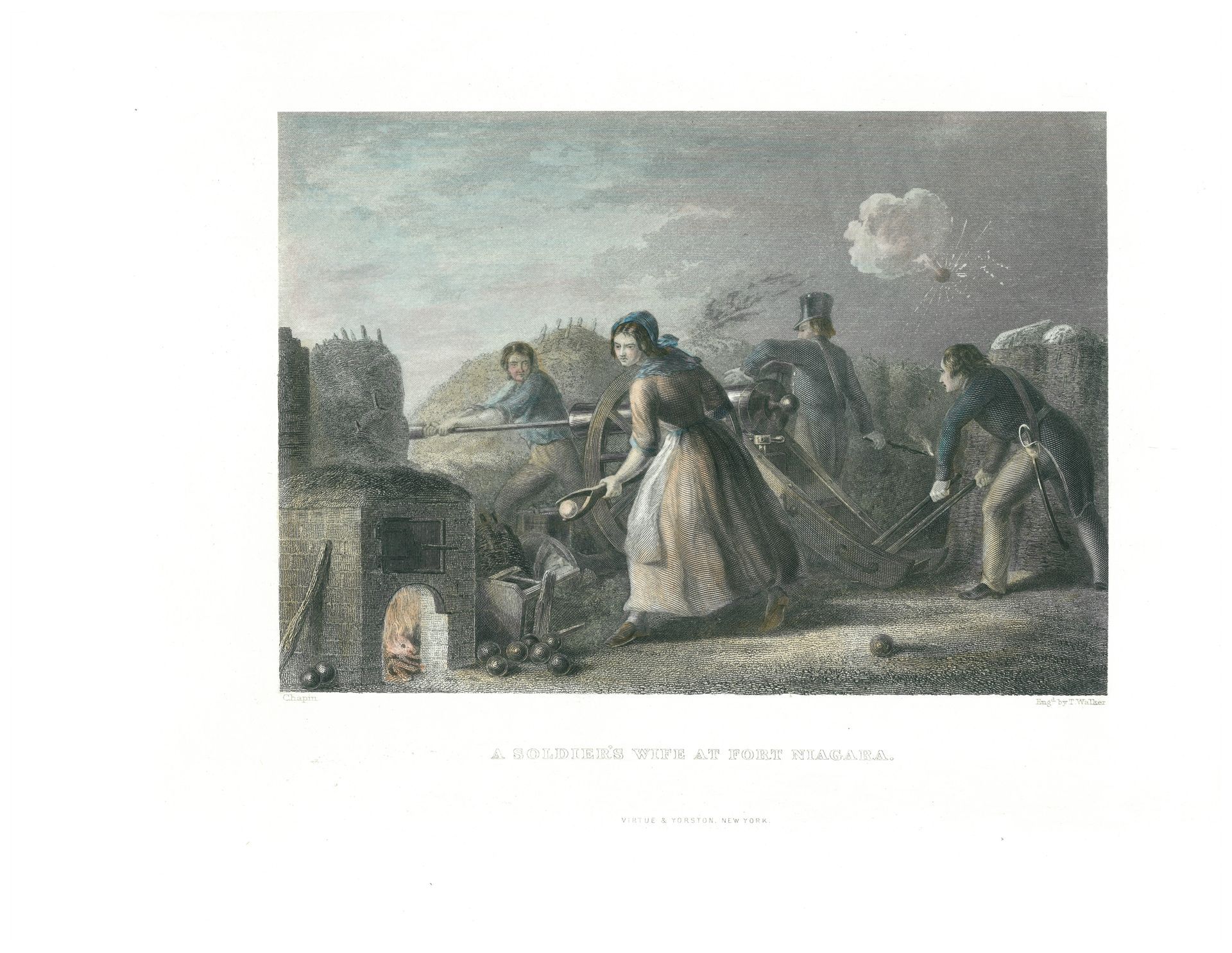
July 17 – British gun batteries located 200-300 yards to the east and across the Niagara River open up on Fort Niagara. Their fire is directed toward the Flag (North) Bastion. Women in the garrison sew sandbags to bolster French defenses.
July 18 – The first of the garrison is killed by artillery fire.
July 20 – The British command suffers severe losses. New York Provincial Colonel John Johnston is killed, Lt. Col. Michael Thodey is wounded and General Prideaux is killed by friendly fire. Sir William Johnson takes command.
July 22 – The British trench is now close enough to bring small arms fire to bear on the fort. This disrupts French artillery.
July 23 – An artillery battery is opened just 100 yards from the fort. Artillery fire now assails the fort at point blank range. The Flag Bastion becomes untenable.
July 24 – A relief column coming from Fort Machault is defeated a mile south of the fort in the Battle of La belle Famille. The British beat a parley. Captain William Hervey enters the fort to discuss surrender terms. Pouchot learns of the defeat of the French relief column. The situation is hopeless.
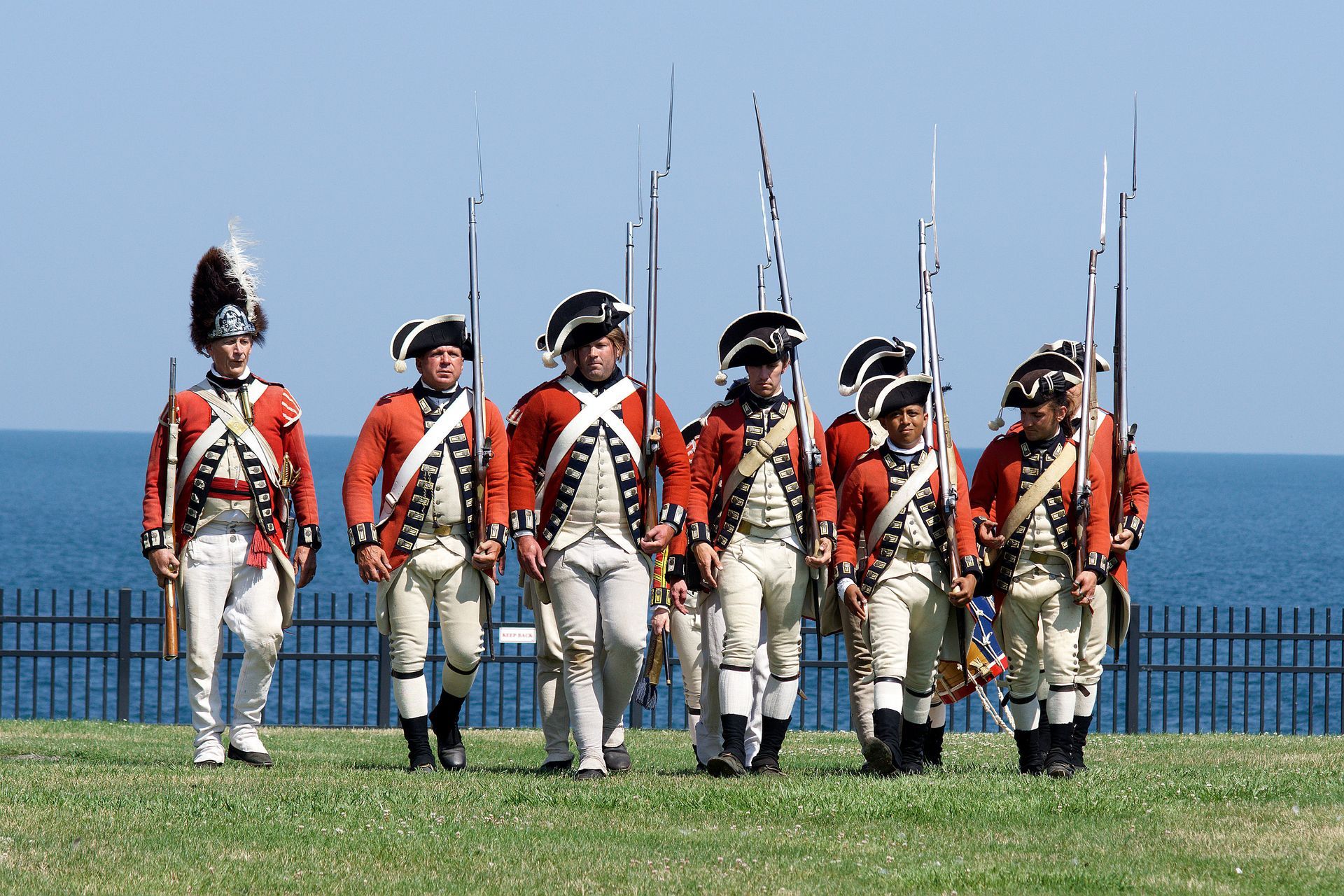
July 25 – The French surrender the fort. Officers and men can keep their personal belongings and march out under arms with drums beating and hauling a single light cannon. This is the sign of an honorable defense.
July 26 – The French depart to become prisoners of war in the New York City area. The British hold Fort Niagara for the next four decades.
Read more about it! Siege 1759: the Campaign Against Niagara by Brian Leigh Dunnigan is available in the Museum Shop.